ServicesRoof-Mounted Solar
Roof-Mounted Solar in The Colony
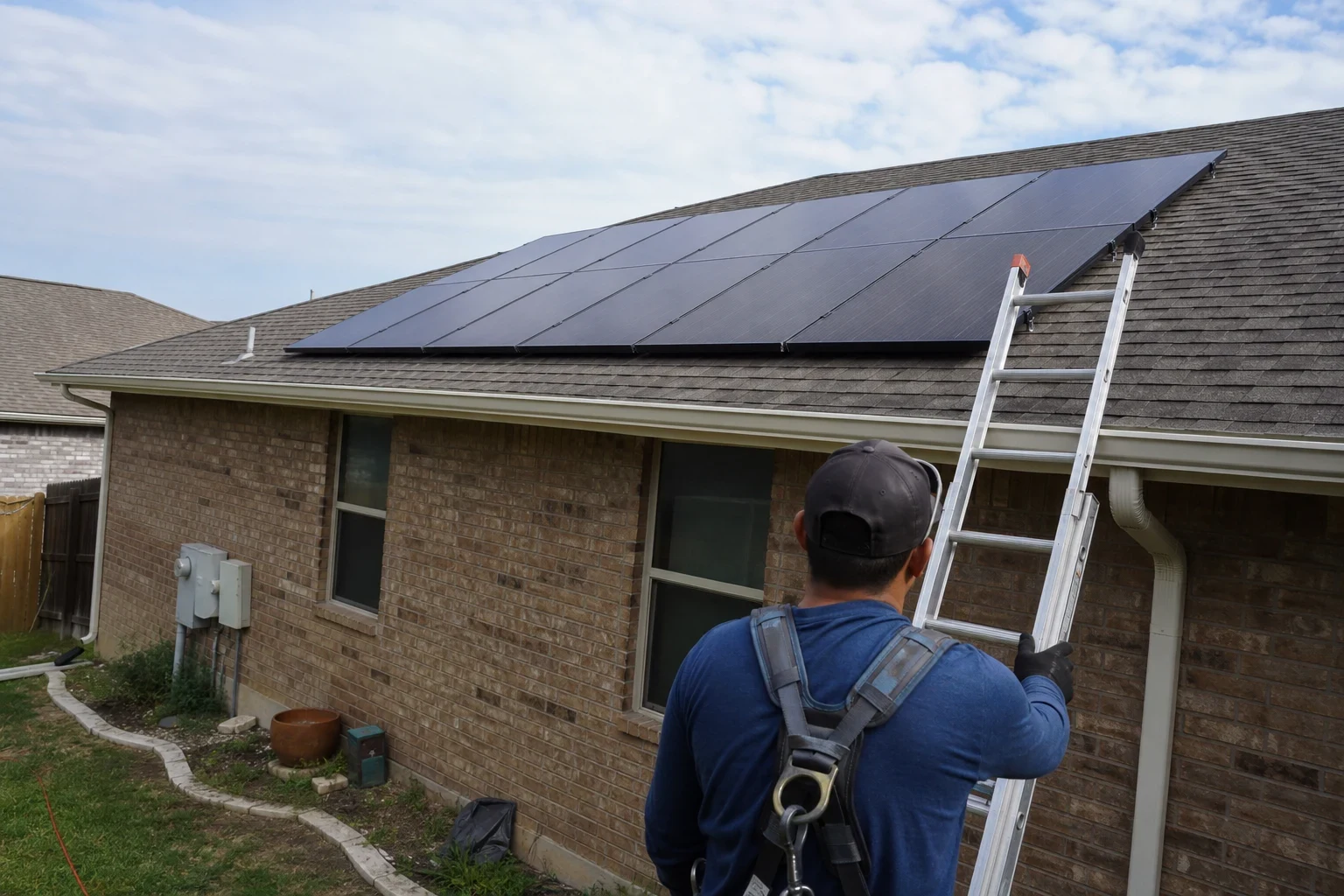
We design and install roof-mounted solar on your home after a close look at what sits under it: the shingles, the decking, the rafters and the shade that crosses each roof plane. Getting those answers first means panels go where they produce and attachments go where they hold.
Solar that starts with the roof it sits on
A roof-mounted system stays on your home for decades, so the roof decides much of the design. We measure each plane, note its pitch and direction, watch how shade from trees and neighboring rooflines moves across it, and go into the attic to check rafter size and spacing before we draw a layout.
Sometimes that look turns up something to sort out first: shingles near the end of their life, soft decking, or a plane too shaded to earn its keep. We tell you plainly. We don't do roofing work, so if the roof needs attention we say so and time the solar around your roofer, rather than mounting panels on a roof that will soon have to come apart.
If you are earlier in the decision and weighing whether solar suits your household at all, our Solar Panel Installation page covers the broader picture. This page is about getting panels onto your roof properly.
What the work includes
Roof and attic assessment
We check shingle condition, pitch, orientation and the framing underneath. You get photos of what we found, including anything that should be addressed before panels go up.
Shade and production layout
Each roof plane is modeled for sun through the year. Planes that would produce little are left bare rather than filled for the sake of a bigger panel count.
Flashed attachments into rafters
Mounts are fastened into rafters, not just decking, and flashed under the shingle courses so water sheds the way the roof was built to shed it. Sealant is a backup, never the main defense.
Clean wiring runs
Conduit is routed along rooflines and down the least visible wall we can use. The finish on the outside of your home matters to us as much as the output.
Permit, inspection and interconnection
We pull the city permit, meet the inspector and handle the utility interconnection paperwork, so the system is approved before it is switched on.
Cleanup and walkthrough
We sweep the yard and driveway for fasteners and offcuts, then show you the disconnects, the inverter and how to read your production.
Signs roof-mounted solar is right for your home
Open south or west planes
Roof faces with clear sky for most of the day are where panels earn the most. East-facing planes can work too, with a little less output.
A roof with years of life left
If your shingles are in good shape, panels can go up now without planning around a reroof.
Summer bills that climb with the AC
Long Texas summers push cooling costs up right when the sun is strongest, which is when a roof array does its best work.
You plan to stay a while
Solar pays back over years. Homeowners settled in for the long run tend to see the most from it.
Interest in backup power later
A roof array pairs naturally with battery storage. We can size the system now so adding batteries later is straightforward.
How a roof-mounted project runs
- 1
A conversation by phone
On the call we ask what your power bills run, how old your roof is and what you want solar to do for you. When those basics point toward a roof array, we arrange a visit to your home.
- 2
On the roof and in the attic
We measure, photograph and check the framing. This visit is where we find out what the design actually has to work with.
- 3
Written design and estimate
You get a panel layout, an expected production figure and a line-item estimate. We walk through it with you and answer questions before anything is signed.
- 4
Installation day
The crew sets attachments, rails and panels, then runs wiring to the inverter and your electrical panel. Most homes take a day or two on the roof, and we keep ladders, materials and debris contained.
- 5
Sign-off and first power
Once the inspector has passed the work and the utility has cleared the connection, we bring the array online. Then we compare its first readings with the production figure in your design.
What shapes the cost
Every roof-mounted system is priced from the assessment, not from a template. The numbers on your estimate come from your roof, your usage and your electrical setup. Here is what moves them most.
- System size
- More panels mean more equipment and labor. We size to your actual usage rather than the largest array your roof could hold.
- Roof pitch, height and access
- Steep or two-story roofs need more safety setup and take longer to work on.
- Number of roof planes
- A single broad plane is simpler than panels split across several faces, which can add rails, wiring runs and inverter considerations.
- Roof covering
- Asphalt shingle roofs take standard mounts with the least fuss. Clay or concrete tile and metal roofs each need their own hardware, and the work goes slower to avoid cracked tiles or scratched finishes.
- Electrical panel capacity
- Some older panels need an upgrade to accept solar safely. We check this on the first visit so it shows up on the estimate, not later.
Questions about roof-mounted solar
Something not covered here? (972) 430-5839
Will putting panels on my roof cause leaks?
Leaks usually come from mounts set into decking alone or sealed with caulk instead of flashing. We fasten into rafters and flash each attachment under the shingles so water runs over it. That is also why we look in the attic first: we need to know exactly where the rafters are.
What if my roof will need replacing in a few years?
Then we will tell you, with photos, and suggest you have your roofer handle it before the panels go up. Removing and reinstalling an array later adds cost you can avoid with the right timing. We don't do roofing ourselves, so the advice has no sales motive behind it.
How do panels hold up to hail?
Panels are built with tempered glass and tested for hail impact, and they often protect the shingles beneath them. Very large hail can still crack a panel. We can explain how the system relates to your homeowner's policy, though your insurer makes the coverage decisions.
Do I need to be home on installation day?
Someone should be there at the start so we can confirm the layout and access to the electrical panel and attic. After that, many homeowners go about their day while the crew works.
Can I add batteries later?
Yes. If you mention it early, we plan the inverter and wiring so adding battery storage later is simple. Our Battery Storage page explains how those systems work.
Start with a careful look at your roof
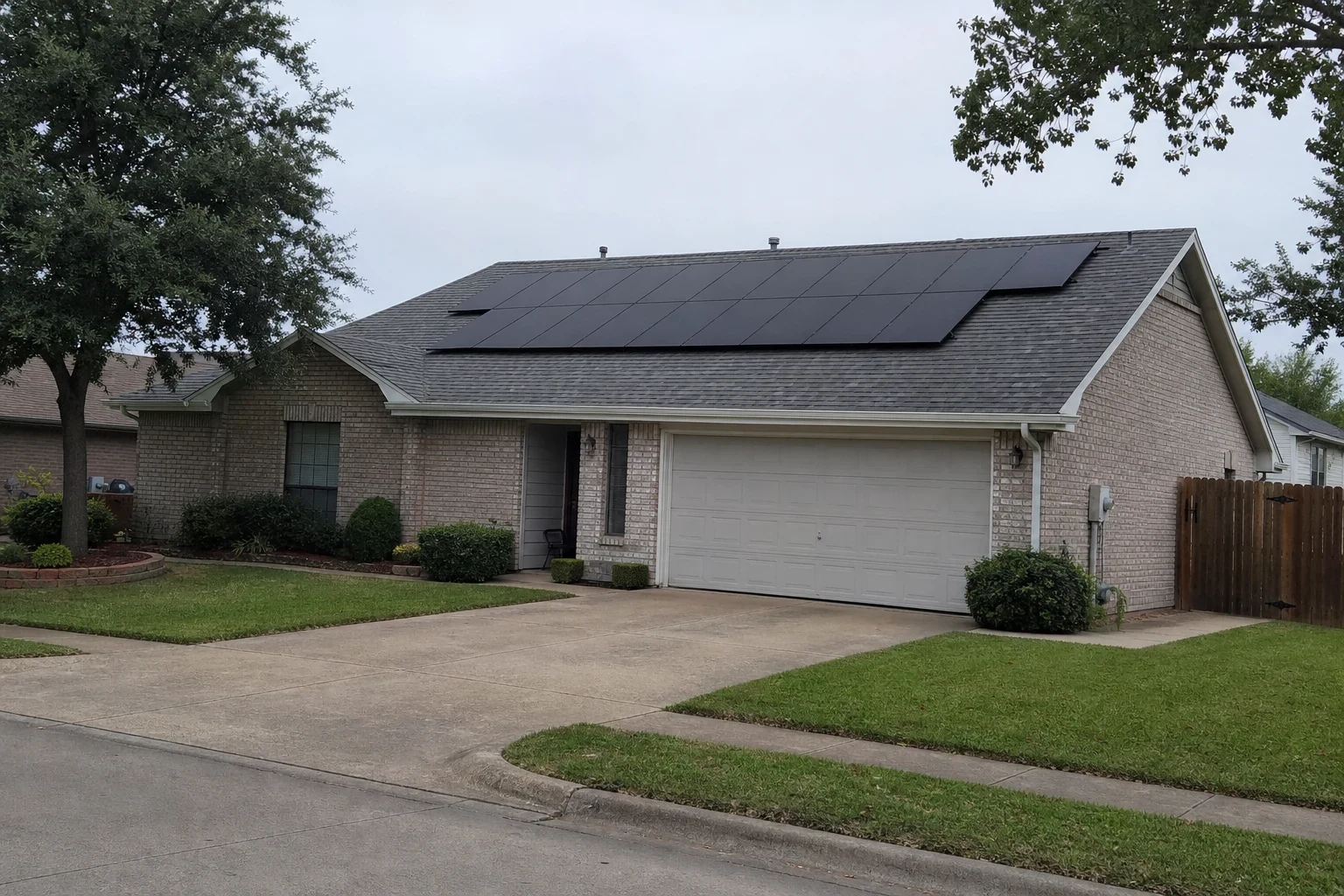
Give us a sense of your roof's age and what you pay for power each month, and we will arrange a visit to check the shingles, the rafters and the shade. You will know what the roof can support before you decide anything.